Choosing between wet food and kibble can feel strangely complicated. One package emphasizes gravy and hydration, while another promises crunchy bites, balanced nutrition, or dental benefits. If you are comparing wet food vs dry food for cats, the reassuring answer is that both can fit a healthy routine. The better choice depends on your cat’s age, health, appetite, water intake, body condition, and your household schedule.
Let’s make this make sense. Food texture matters, but the most important basics are that the diet is complete and balanced for your cat’s life stage, portions are appropriate, and your cat actually eats it consistently.
How wet and dry cat food differ
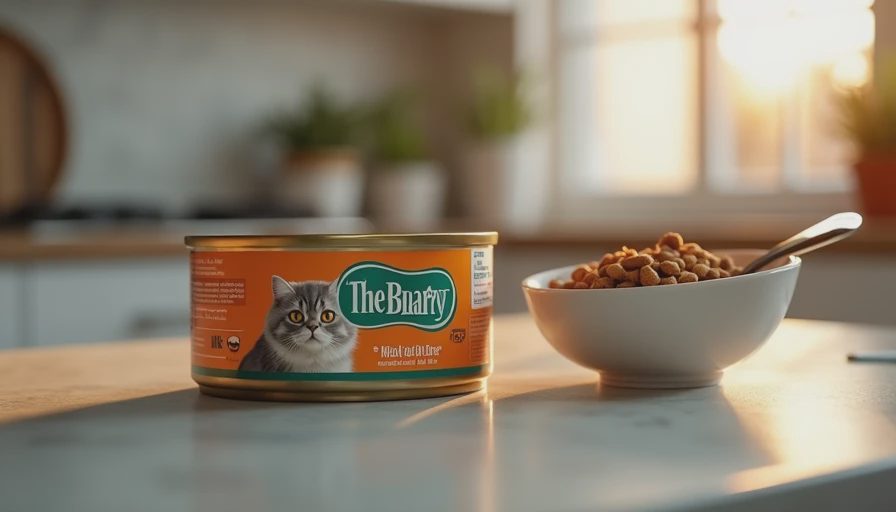
Wet food usually comes in cans, trays, or pouches and contains substantially more water than kibble. That extra moisture can be useful for cats that rarely visit the water bowl. Many cats also find soft food appealing because it has a stronger smell and a texture closer to fresh meat. This can help an older cat with sore teeth or a cat whose appetite has dropped, although a sudden appetite change deserves veterinary attention.
Dry food is cooked and formed into shelf-stable pieces. It is convenient, easy to measure, and often less expensive per meal. A timed feeder can dispense measured kibble while you are at work, and an opened bag does not need refrigerator space. These practical advantages matter. A feeding plan that fits your real life is more likely to be followed accurately.
The central point in wet food vs dry food for cats is not that one format is automatically healthy and the other is automatically harmful. Look past the texture and read the nutritional adequacy statement. A complete and balanced cat food should be labeled for the appropriate life stage, such as kitten, adult maintenance, or all life stages.
Hydration, urinary health, and digestion
Cats evolved from desert-adapted ancestors and often have a limited thirst response compared with dogs. Some cats drink well; others take only a few laps from the bowl. Wet food can increase daily water intake because moisture is built into each meal. That can be especially helpful for cats with a history of urinary issues, constipation, or concentrated urine, though food alone is not a treatment for a diagnosed condition.
A cat with urinary blockage signs, including repeated trips to the litter box, straining, crying, or producing little urine, needs urgent veterinary care. Do not wait to see whether changing food solves the problem. Male cats are particularly vulnerable to life-threatening obstruction, but any cat showing these signs should be treated seriously.
For digestion, consistency is usually more important than choosing wet or dry. Switching abruptly can lead to loose stool or vomiting even when the new food is nutritious. Mix a small amount of the new diet into the old one, increase it gradually over about a week, and slow down if your cat develops digestive upset. Cats with chronic kidney disease, diabetes, food allergies, or recurring bladder problems may need a veterinary nutrition plan rather than a standard grocery-store comparison.
Calories and weight control
Wet food often has fewer calories per ounce because water makes up much of its volume. That can allow a cat to eat a satisfying portion while consuming fewer calories. Dry food is more calorie-dense, so a free-fed bowl can quietly add up, particularly for indoor cats that sleep much of the day.
This does not make kibble a weight-gain food by definition. Measured portions can work very well. Start with the feeding guide, then adjust based on your cat’s weight, body condition, activity, and veterinary advice. A kitchen scale is more reliable than guessing at a cup, especially with small cats. For example, a daily difference of a few tablespoons can matter over several months.
In wet food vs dry food for cats, calorie comparison requires checking the label rather than comparing package size. Canned food may list calories per can or tray, while kibble often lists calories per cup. If you combine both, calculate the total daily calories and reduce each portion accordingly. Treats, lickable snacks, and table scraps count too.
Dental claims and everyday convenience
Crunchy kibble is not a substitute for brushing your cat’s teeth. Ordinary dry pieces can break apart quickly and may not clean the gumline. Some specially designed dental diets have evidence and larger textures intended to support oral care, but they are different from standard kibble. Regular veterinary dental examinations and a gradual tooth-brushing routine remain more dependable tools.
Wet food can be messier and usually needs refrigeration after opening. Uneaten portions should not sit out for hours, especially in a warm room. A covered container, small servings, and a washable feeding mat make the routine easier. Dry food is simpler for puzzle feeders and automatic dispensers, but an always-full bowl can make portion control difficult.
Cost also deserves an honest place in this decision. Dry food often costs less per calorie, while wet food can cost more when fed as the entire diet. A mixed approach may provide moisture and variety without doubling the budget. Store-brand options can be perfectly reasonable when they meet nutritional standards and suit your cat.

Is a mixed feeding plan a good option?
For many households, the most practical answer to wet food vs dry food for cats is both. You might serve a measured breakfast of wet food, offer a measured amount of kibble in a feeder during the day, and provide another small wet meal at night. This can support hydration while preserving the convenience of dry food.
Introduce the combination slowly. A cat that is used to one texture may reject the other, so place a teaspoon of new food beside the familiar meal rather than mixing everything together immediately. Keep separate bowls if your cat dislikes foods touching. Picky eating is common, but repeated refusal of all food is not normal; cats that stop eating can become seriously ill and should be contacted by a veterinarian promptly.
A mixed plan also lets you adjust the balance. A cat gaining weight might receive more moisture-rich food and smaller measured kibble portions. A cat who prefers crunch might receive mostly dry food with a small wet meal. The plan should still meet daily nutritional needs and avoid unplanned calorie increases.
How to choose the right routine
Before switching foods, pause and check these three things: your cat’s current weight, the calorie information on both labels, and any medical diagnosis that affects nutrition. Choose a complete and balanced product made for the correct life stage. Measure meals for two weeks and watch weight, stool quality, appetite, water intake, and litter box habits.
If your cat has kidney disease, diabetes, urinary disease, severe dental pain, persistent vomiting, or ongoing diarrhea, ask your veterinarian before making a major change. Prescription diets are formulated for specific medical goals and should not be replaced casually with a similar-looking retail product.
There is no prize for feeding the most expensive format. The best choice is nutritious, portion-controlled, tolerated by your cat, and realistic for your schedule. For many owners, wet food vs dry food for cats becomes less of a battle when the decision focuses on hydration, calories, health needs, and consistency instead of marketing claims. Feed thoughtfully, make changes gradually, and remember that a calm, workable routine is a meaningful part of good cat care.


From readers
Letters
No letters yet.
Be the first to write in. We read everything that arrives, and we answer most of it.