
Let’s make this make sense. Learning how to read a pet food label is one of the most useful skills an everyday dog or cat owner can develop, yet most of us were never taught a calm, practical way to do it. The bag or can is designed to look reassuring. The words are chosen to feel trustworthy. And the actual information that matters often sits in smaller print, in a format that assumes you already know what to look for.
I’m Claire Whitaker. After more than ten years helping clients in small-animal clinics around Minneapolis understand food choices, I saw the same moment repeated: someone would hold up a bag and ask, “Is this one better?” The honest answer was almost always, “It depends on what you are comparing and what your animal actually needs.” That answer is not satisfying when you are standing in the pet aisle or scrolling late at night. So this post is the slower version of the conversation I used to have in person.
We will walk through the parts of a label that matter most, the phrases that create false confidence, and a simple order of checking that keeps the process from turning into overwhelm.
Start With the Front of the Package—Then Set It Aside
The front of a pet food bag or can is marketing first. That is not a criticism; it is simply how packaging works. Words like “natural,” “holistic,” “premium,” “farm-raised,” or “human-grade” are allowed under fairly broad rules. They are not precise guarantees of nutritional quality or of how the food will perform for your individual dog or cat.
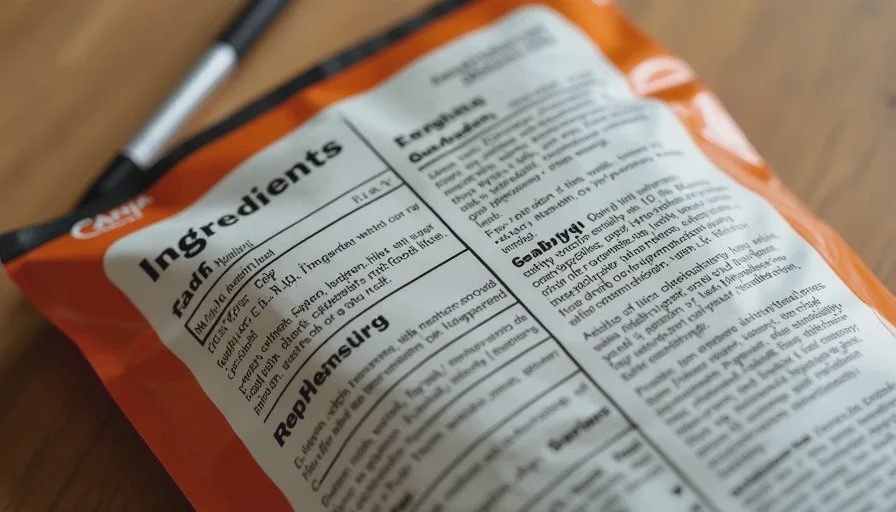
When I sat with clients, I often suggested a small mental step: look at the front long enough to notice what feelings it is trying to create, then flip the package over. The information that actually helps you compare products lives on the back or side panel—the ingredient list, the guaranteed analysis, the nutritional adequacy statement, and the feeding guidelines.
This does not mean the front is useless. It can tell you the product name, the species it is intended for, and sometimes the life stage. But it should not be the place where the final decision is made.
The Ingredient List: Order Matters More Than Buzzwords
Pet food labels in the United States list ingredients in descending order by weight. The first few ingredients make up the largest portion of the formula by weight at the time of mixing. That is useful information, but it is also incomplete if you stop there.
A common point of confusion is the phrase “chicken first” or “real meat first.” Chicken as the first ingredient sounds reassuring, and in many cases it is a reasonable starting point. Yet water, broth, or moisture-rich ingredients can shift the order. A food that lists chicken first may still rely heavily on other components once you account for moisture. The reverse can also be true: a food that lists a meat meal earlier may deliver more concentrated animal protein than one that leads with a fresh meat that is mostly water by weight.
I used to keep a simple reminder for clients: the first five to seven ingredients give you a general picture of the formula’s foundation. After that, the list becomes a supporting cast. You do not need to analyze every single item unless a specific ingredient has been a problem for your animal in the past.
If your dog or cat has a known sensitivity, the ingredient list is the place to check for that specific item. If you are simply trying to choose a solid everyday food, look for a clear primary protein source, a recognizable carbohydrate source if the formula includes one, and a length of list that does not feel deliberately obscure.
Guaranteed Analysis: The Numbers That Actually Compare
The guaranteed analysis shows minimums for crude protein and crude fat, and maximums for crude fiber and moisture. These numbers are not a complete nutrition profile, but they give you a standardized way to compare two products side by side.
Moisture content is especially important when you are looking at wet food versus dry food, or even comparing two wet foods. A higher moisture percentage means less of the can is actual nutrients by weight. That does not make the food “worse”; it simply changes how you think about portion size and calorie density.
When clients brought in two bags and asked which was higher in protein, I would ask them to look at the guaranteed analysis on a dry-matter basis if they wanted a fairer comparison. You do not need to do the full calculation every time. Just knowing that moisture differences can skew the numbers helps you avoid being misled by a single percentage on the label.
The Nutritional Adequacy Statement: The Quiet Line That Matters
Somewhere on most pet food labels you will find a statement about nutritional adequacy. It usually mentions AAFCO and indicates whether the food is complete and balanced for a particular life stage—growth, adult maintenance, or all life stages—either through feeding trials or through nutrient profiles.
This line is easy to skip because it is not written in marketing language. Yet it is one of the more useful pieces of information on the package. A food that meets AAFCO standards for adult maintenance is formulated to provide complete nutrition for healthy adult dogs or cats under the conditions described. It does not guarantee that every individual animal will thrive on it, but it does tell you the manufacturer has followed a recognized framework.
I encouraged owners to glance at this statement early in the process. If a product is labeled as a treat, a mixer, or a supplemental food, that is important to know before you use it as a full meal.
Marketing Phrases That Create False Confidence
Certain words appear so often that they start to feel like evidence. In clinic conversations, I noticed a handful of phrases that consistently led to confusion.
“Natural” has a defined meaning under AAFCO guidelines, but it is narrower than most people assume. It does not automatically mean the food is better for digestion, better for skin, or free from every ingredient an individual animal might react to.
“Grain-free” became a major marketing point for years. Some dogs and cats do well on grain-free formulas. Others do not need them and may do better with a formula that includes grains. The presence or absence of grains is one factor among many; it is not a universal marker of quality.
“Limited ingredient” can be helpful when you are working through a suspected sensitivity under veterinary guidance. On its own, the phrase does not tell you whether the limited list is appropriate for your animal or whether the food is complete and balanced.
“Human-grade” and similar terms sound reassuring but are not always straightforward in practice. What matters more for most households is whether the food is complete and balanced, whether the primary ingredients are clear, and whether your dog or cat maintains good weight, energy, stool quality, and coat condition over time.
None of these phrases are automatically dishonest. They are simply incomplete. Reading them as one piece of information rather than as a final verdict keeps the decision process steadier.
A Practical Order for Checking a Label
When someone in the clinic felt overwhelmed, I would give them a short sequence to follow instead of trying to absorb the entire label at once.
First, confirm the food is intended for the right species and life stage.
Second, read the nutritional adequacy statement.
Third, look at the first several ingredients to understand the foundation of the formula.
Fourth, compare the guaranteed analysis if you are choosing between two options.
Fifth, scan for any specific ingredients you already know are problematic for your animal.
Sixth, check the feeding guidelines as a starting point, knowing you will adjust based on body condition and activity.
This order does not turn you into a nutritionist. It simply keeps the process from jumping straight to the most emotional or most marketed parts of the package.
What the Label Cannot Tell You
A label cannot tell you how an individual dog or cat will respond. Stool quality, appetite consistency, energy level, skin and coat condition, and body weight over several weeks are the real-world feedback that matters most.
I used to remind clients that the best label in the world is still only a starting point. If a food looks appropriate on paper but produces soft stool, low energy, or steady weight gain, it is reasonable to reassess. Conversely, a food that is less trendy on the label but keeps your animal stable and comfortable is doing its job.
Observation at home is the missing half of label reading. Without it, the package remains abstract.

Common Pitfalls I Saw Repeatedly
One frequent pattern was switching foods based solely on a single marketing claim. An owner would hear that a certain phrase was “better” and change the diet quickly, only to face digestive upset that then created new worry. A slower transition and a clearer reason for the change usually produced less stress for both the animal and the person.
Another pattern was treating the ingredient list like a purity contest. Longer lists were sometimes viewed with suspicion, shorter lists with automatic trust. Length alone is not a reliable quality signal. What matters is whether the formula is complete, whether the main ingredients are identifiable, and whether the food supports the animal in front of you.
A third pattern was ignoring calorie density when comparing “healthy” options. Some foods that look lean on the label are still easy to overfeed if the cup measurement is treated as fixed rather than adjustable. Body condition scoring—looking at the animal rather than only at the bag—remains one of the most practical tools available to everyday owners.
Bringing It Back to the Kitchen Table
Reading a pet food label well is less about memorizing regulations and more about developing a steady habit of looking past the loudest words. The front of the package is designed to create a feeling. The back contains the information that helps you compare options more fairly. Your own observations over the following days and weeks complete the picture.
You do not need to perfect this skill in one afternoon. The next time you pick up a bag or can, try using the short sequence above. Notice which phrases pull your attention first. Then flip the package and start with the quieter lines. Over time, the process becomes less charged and more practical.
That is the entire point of learning how to read a pet food label without falling for marketing: not to become suspicious of every claim, but to keep the decision in a calmer, more useful frame. Your dog or cat does not need the trendiest language on the shelf. They need a food that supports them day after day in the home you actually live in.
Let’s make this make sense, one label at a time.


From readers
Letters
No letters yet.
Be the first to write in. We read everything that arrives, and we answer most of it.