
Let’s make this make sense. Grain-free pet food has been one of the most discussed and most confusing categories in the pet aisle for years. Some packaging presents it as a cleaner, more natural choice. Some online discussions treat it as a potential risk. Many everyday owners are left holding a bag and feeling they need a verdict before they can feed their dog or cat with confidence.
I’m Claire Whitaker. For more than ten years I worked as a client educator in small-animal clinics around Minneapolis, helping people interpret feeding questions that arrived with a lot of emotion and not always a lot of clarity. Grain-free diets came up constantly. My role was not to declare them universally good or bad. It was to help owners understand what the term actually means, what questions are still open, and how to make a decision that fits the individual animal in front of them.
This post walks through why the confusion persists, what the label does and does not tell you, and a calmer way to evaluate grain-free options without treating the choice as a moral test.
What “Grain-Free” Actually Means on a Label
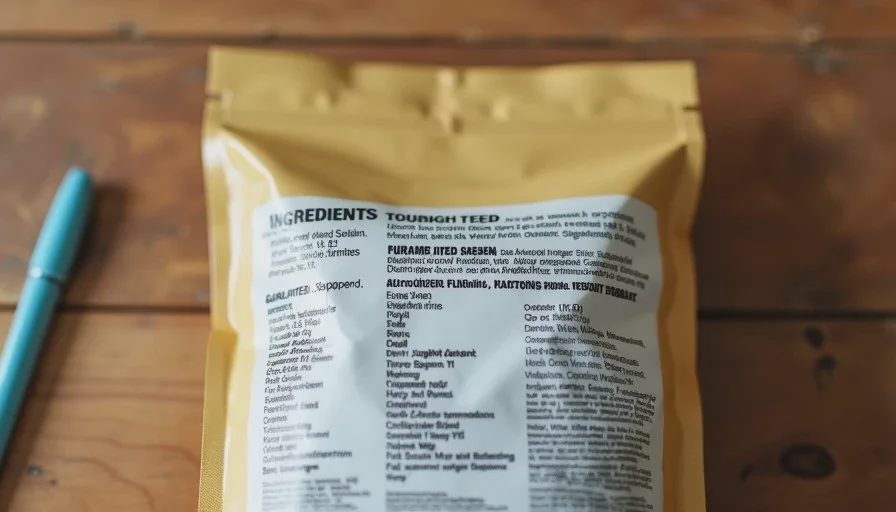
Grain-free means the formula does not include common cereal grains such as corn, wheat, barley, rice, or oats. It does not mean the food is carbohydrate-free. Most grain-free dry foods still use other carbohydrate sources—often potatoes, peas, lentils, or other legumes—to provide structure, energy, and processing properties.
This distinction matters. Many owners assumed grain-free equaled low-carbohydrate or closer to an ancestral diet. In practice the carbohydrate content can be similar to grain-inclusive formulas; the source simply changes. Reading the ingredient list and the guaranteed analysis still matters more than the grain-free claim alone.
The term also does not automatically indicate higher protein, higher meat content, or superior digestibility. Those factors depend on the specific formula, not on the presence or absence of grains.
Why the Category Became So Emotionally Charged
Several forces arrived at the same time. Marketing emphasized “ancestral” and “natural” language that resonated with owners already skeptical of conventional pet food. Some dogs with genuine grain sensitivities improved when grains were removed, and those individual successes traveled widely in conversation. At the same time, broader concerns emerged in veterinary and regulatory discussions about certain grain-free formulations and heart health in dogs, particularly related to diet-associated dilated cardiomyopathy reports. The result was a split narrative: one side treating grain-free as progress, another treating it as a warning.
Owners caught between the two narratives often felt they had to choose a camp. That pressure is a large part of why the topic still feels unsettled years later. Most household decisions do not require joining a camp. They require a clear view of the individual dog or cat, the rest of the diet, and the current evidence as it stands.
What Grains Contribute—and What They Do Not
Grains in pet food supply carbohydrates for energy, some fiber, and certain nutrients depending on the type and processing. They are not essential in the sense that a dog or cat must have corn or wheat to survive. Dogs and cats can thrive on properly formulated grain-free diets. They can also thrive on properly formulated grain-inclusive diets. The presence of grains is not a built-in quality marker either direction.
For most healthy dogs and cats, the question is less “Are grains harmful?” and more “Is this particular food complete, appropriate for the life stage, and well tolerated by this animal?” A grain-inclusive food that produces good stool, steady weight, and good energy is doing its job. A grain-free food that does the same is also doing its job. Problems arise when the grain-free label is treated as automatic proof of superiority or automatic proof of risk without looking at the rest of the formula and the animal’s response.
The Heart-Health Conversation and Why It Matters
Reports linking certain grain-free diets to diet-associated dilated cardiomyopathy in dogs created understandable concern. The issue appears complex and is still being studied. Not every grain-free food is implicated in the same way, and not every dog on a grain-free diet develops problems. Factors under discussion have included specific formulation patterns, legume-heavy recipes, and individual susceptibility.
For everyday owners the practical takeaway is not panic. It is awareness. If you are feeding a grain-free diet, it is reasonable to stay current with your veterinarian’s guidance, to choose formulas from companies that conduct feeding trials or maintain strong nutritional expertise, and to monitor your dog’s overall health including energy, appetite, and any signs your veterinarian flags as relevant. Routine checkups matter more than internet verdicts.
This is also why blanket statements—either “all grain-free is dangerous” or “all grain-free concerns are overblown”—tend to create more heat than clarity. The responsible middle is to treat the topic as open and to make individual decisions with professional input when needed.
When Grain-Free May Be a Reasonable Choice
There are situations where a grain-free formula is a practical option. Some dogs have documented adverse reactions to specific grains and improve when those ingredients are removed. Some owners and veterinarians prefer grain-free for other individual reasons after weighing the current information. In those cases the decision is targeted rather than ideological.
The same standard used for any diet change still applies: transition slowly, keep other variables steady, and evaluate stool, appetite, weight, and energy over a meaningful period. A grain-free label does not exempt a food from ordinary evaluation.
When Grain-Inclusive Food Remains a Solid Default
For many healthy dogs and cats with no history of grain-related issues, a complete and balanced grain-inclusive food remains a straightforward, well-supported choice. Grains are inexpensive, functional, and long-used ingredients in commercial pet nutrition. There is no requirement to remove them in order to feed a high-quality diet.
Owners sometimes feel pressure to “upgrade” to grain-free simply because the packaging looks more premium or the marketing language feels more modern. That pressure is worth resisting if the current food is already meeting the animal’s needs. Stability has value.

A Calmer Decision Framework
When the grain-free question arises, a short sequence of practical filters usually helps:
Is there a specific reason this dog or cat needs to avoid grains, or is the interest driven mainly by marketing and general concern?
Does the formula you are considering meet AAFCO standards for the correct life stage?
Is the company transparent about formulation and testing?
What does your veterinarian say given your animal’s history and the current state of the evidence?
If you switch, can you transition slowly and evaluate the result over weeks rather than days?
These questions do not produce a universal answer. They produce a decision that belongs to the actual household and the actual animal.
What I Saw When Confusion Ran High
In clinic conversations the highest-stress cases were rarely the dogs with clear, documented needs for a specific diet. They were the owners who had changed foods multiple times based on shifting online claims, each time hoping the next label would finally resolve a vague sense that something might be wrong. Grain-free was often one stop in that sequence.
The more helpful path was almost always to return to basics: a complete food, a steady routine, clear observation of the animal, and professional input when patterns persisted. The grain-free question could then be addressed as one variable among others rather than as the central drama.
Bringing the Choice Back to the Kitchen Table
Grain-free pet food is neither a universal upgrade nor a universal risk. It is a formulation choice that removes certain ingredients and usually replaces them with others. Some dogs and cats do well on it. Many do well without it. The confusion persists because marketing, individual success stories, and legitimate scientific questions have all occupied the same space without clean boundaries.
You do not need to resolve the entire public debate in order to feed your dog or cat tonight. You need a food that is complete and balanced, a transition plan if you are changing, and a willingness to judge the result by the animal’s condition rather than by the presence or absence of grains on the label.
Let’s make this make sense. Look at the whole formula, the individual response, and the current guidance from your veterinarian. That combination will serve you better than any absolute claim about grain-free diets.


From readers
Letters
No letters yet.
Be the first to write in. We read everything that arrives, and we answer most of it.